A weathered wooden bench by a cloister window at Sarum College, sunlight on the stone.
In their own words

Ten voices from a small flame.

We do not commission these. We ask, twice a year, and the kind ones reply. Names are real where consent is given; in two cases (marked) names have been changed at the speaker's request. Ages and home towns are as told to us in the spring of 2026.

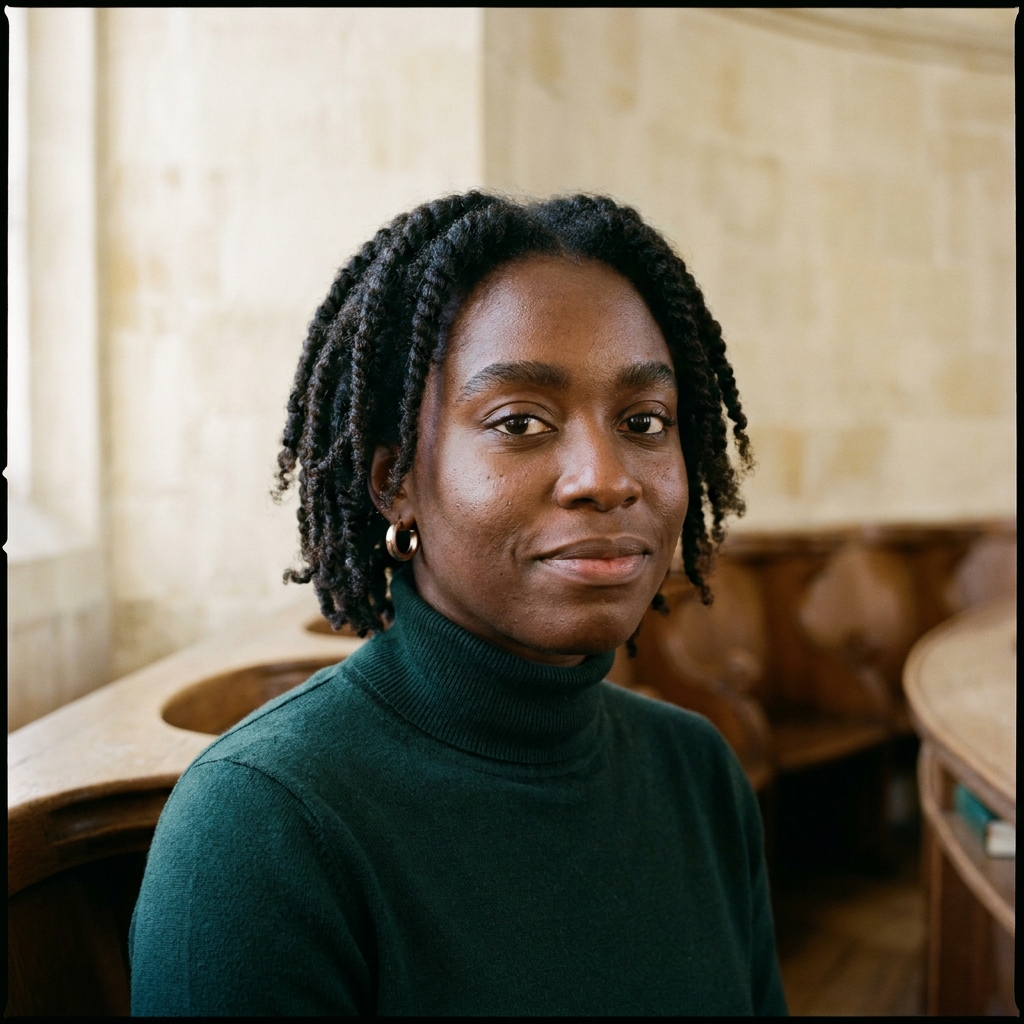
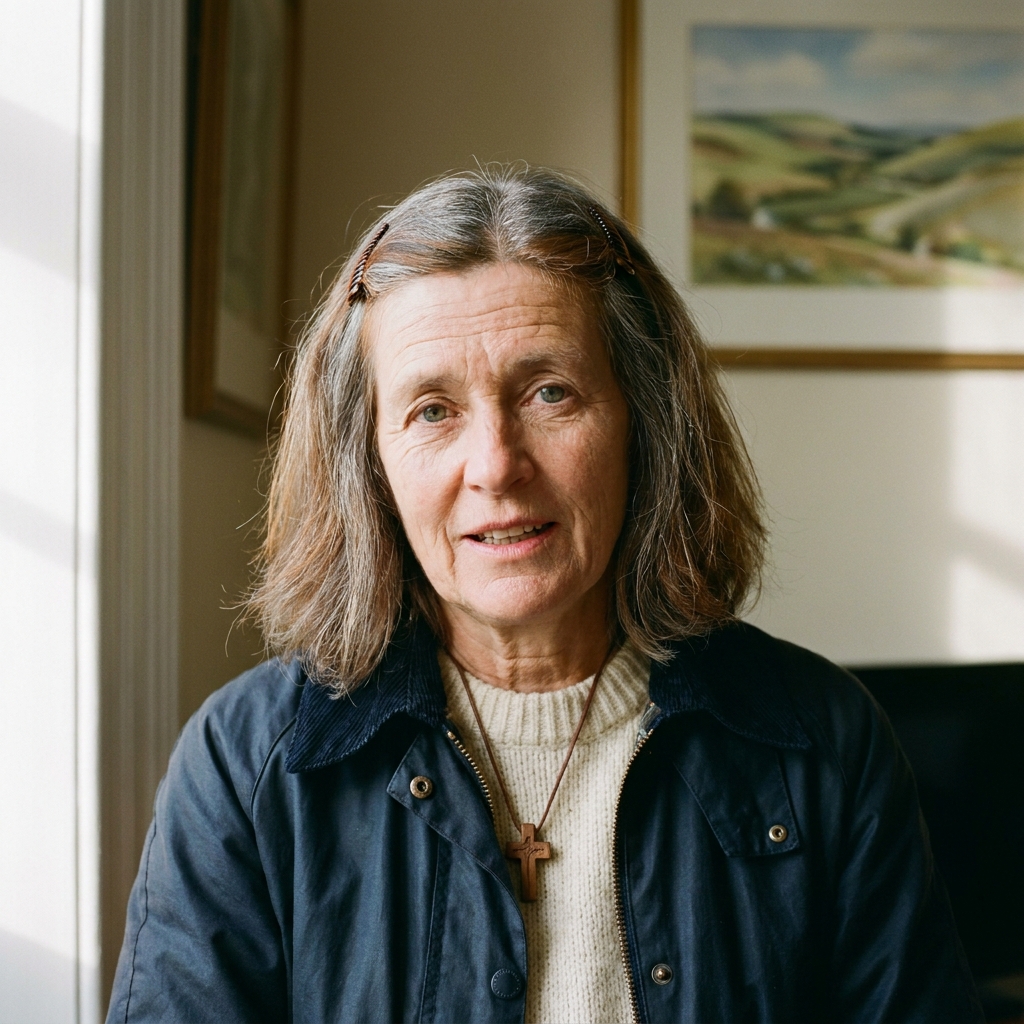
Portrait of Ruth, sixty-one, in the garden of her cottage in Marlborough.
Oblate · since 2018 · Marlborough, Wiltshire
It is the only place I am allowed not to be useful.

I came on retreat in the autumn of 2018, three weeks after a contract that had been the whole of my professional life for twenty-two years ended in a redundancy meeting that lasted nine minutes. I was sixty-one. I had three children and no husband and a mortgage I did not understand. The retreat lasted four nights. The brothers asked nothing of me. That was the gift.

I went back the following Lent, and the Lent after that, and in 2020 I wrote to Dom Aelred and asked, very politely, whether I might begin the year of postulancy. He wrote back on a postcard with the Salisbury spire on it. He said yes. He said it would be hard. He was right about that. I make my final oblation next September.

What is the Rule of Benedict for a woman who runs a small bookkeeping practice from a Wiltshire cottage? It is mostly silence between half past six and eight in the morning, and Compline read at the kitchen table before bed, and not finishing every sentence anyone begins. It is the small disciplines that have given me back my fifties.
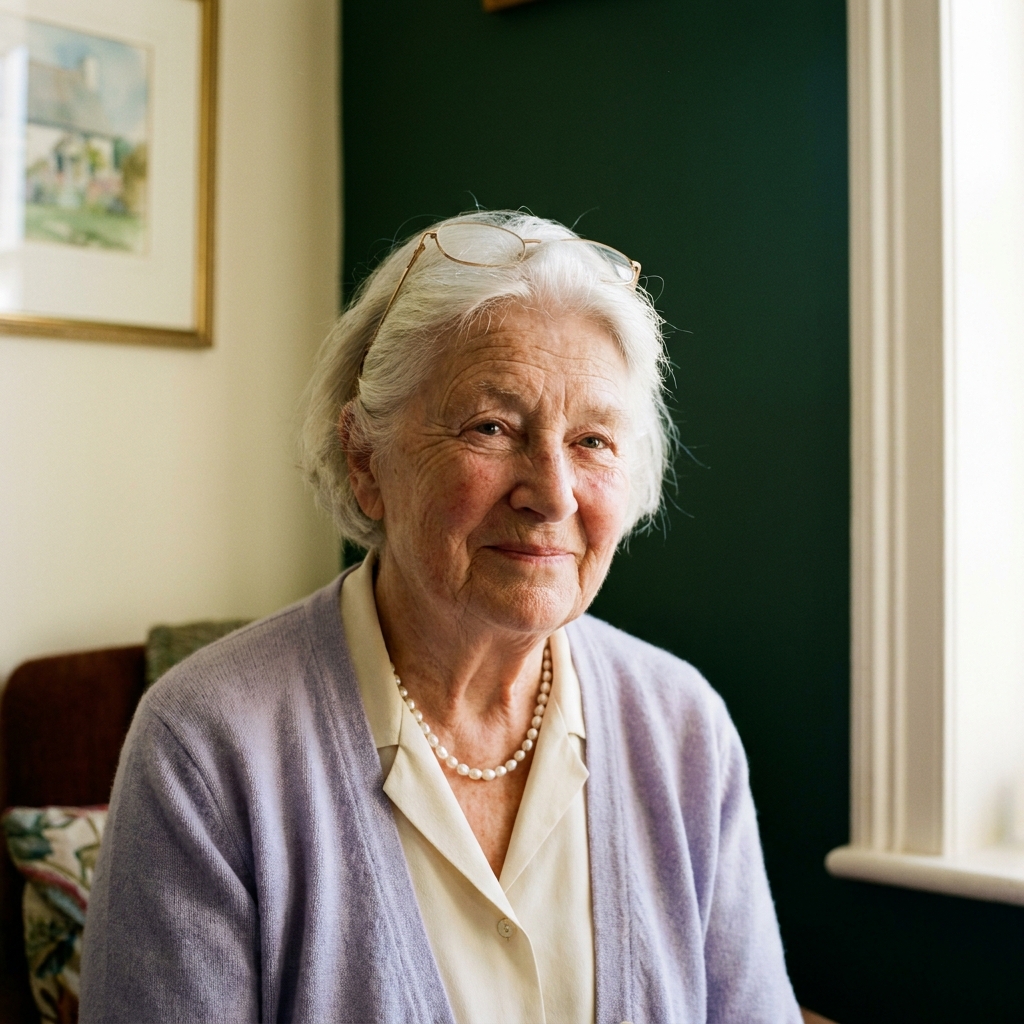
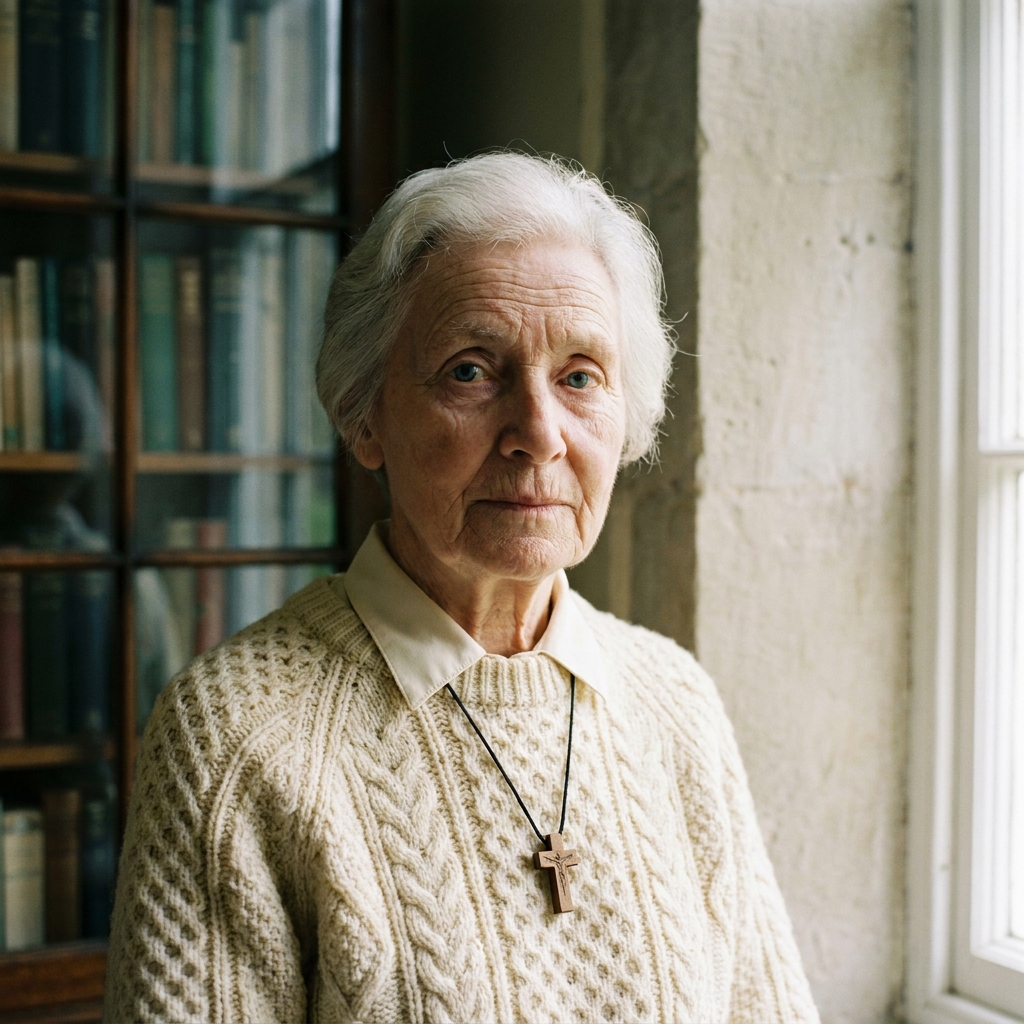
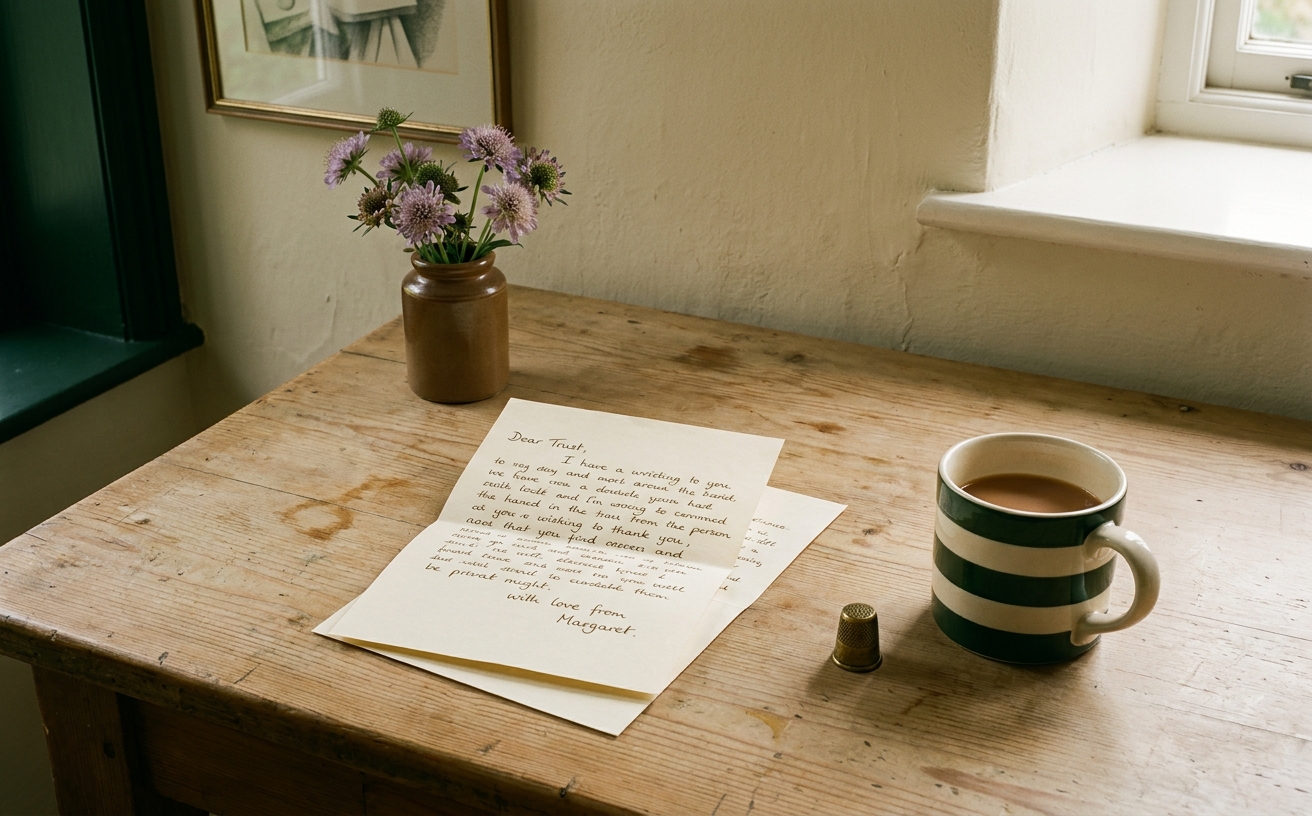
Portrait of Margaret, seventy-eight, in her doorway in Tisbury.
Sunday Doors befriending · since 2020 · Tisbury, Wiltshire
I had not opened the curtains for four months. Then Eilidh came.

Tom died in February 2020 and the world shut its doors in March, so I did not have a funeral until October and by then I had not really spoken to anyone for nearly seven months. The doctor put me on something. The vicar telephoned twice. Neither helped.

One Wednesday in October a young woman knocked. She said her name was Eilidh and she was from a thing called Sunday Doors and the parish nurse had given them my address. She said she could come for an hour every Wednesday if I liked. I liked. She has been coming for four years and seven months. She is Scottish and laughs at my crosswords. We read the death notices in the parish magazine out loud and we laugh some more because nearly everyone we know is in them.

She brought me a kitten in 2022. I had said I did not want one. The kitten's name is Crumpet. She was right.


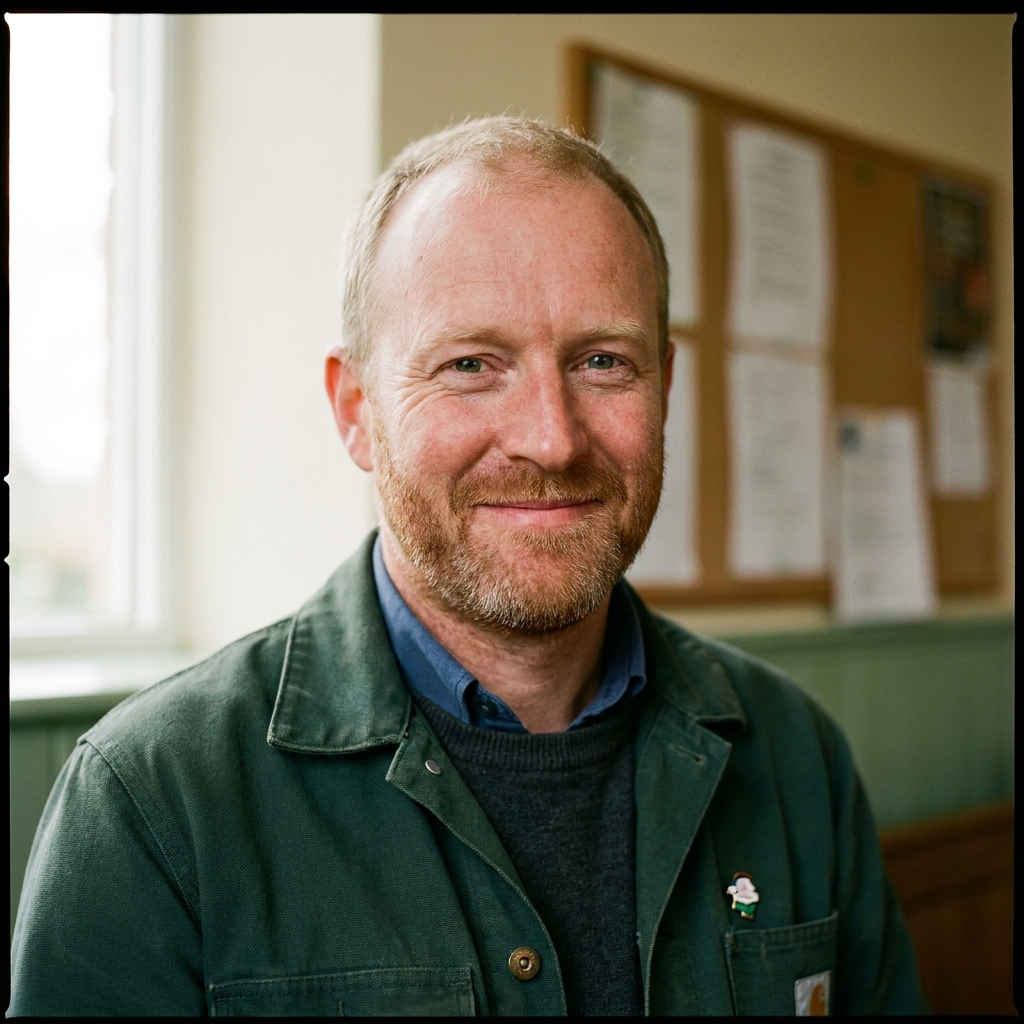
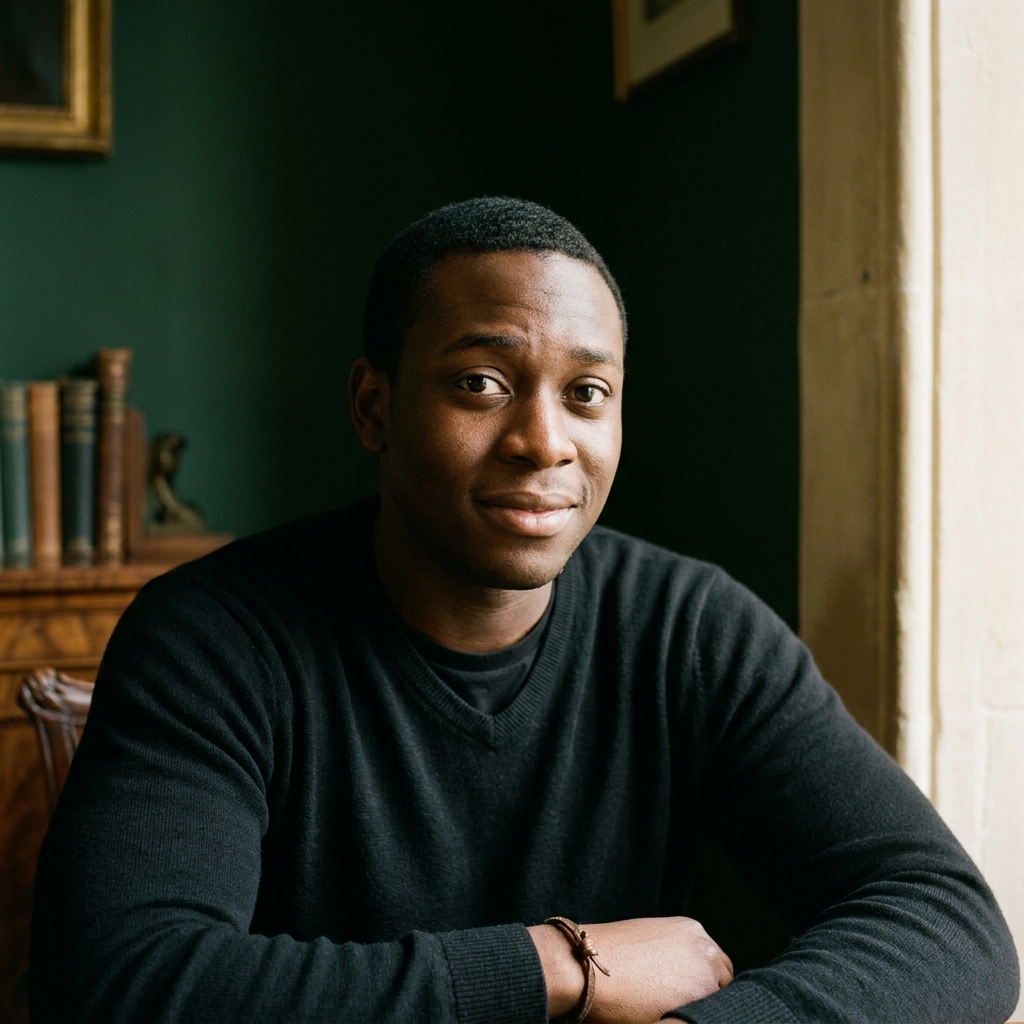
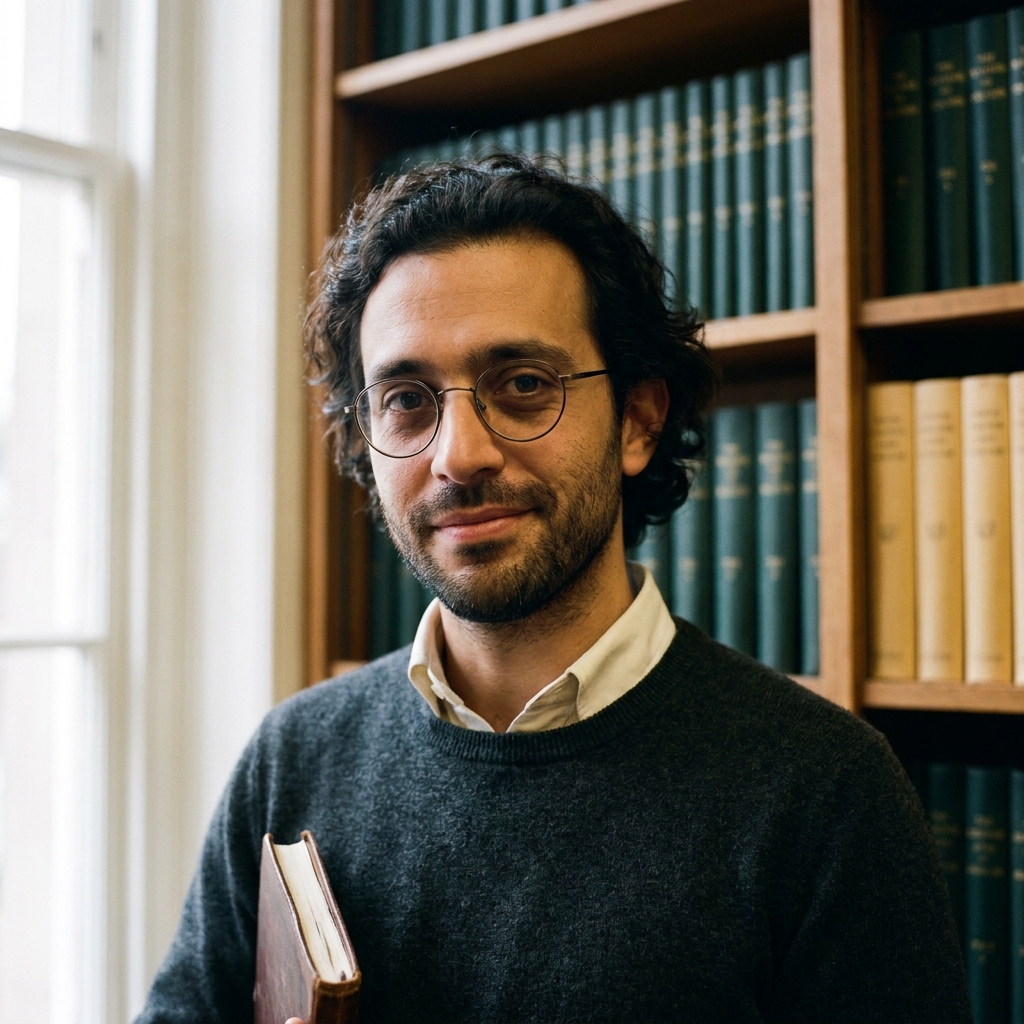
Portrait of Tomás, thirty-four, in the Sarum College library.
Dom Gregory Dix Programme · 2023–2026 · Cardiff
A Cardiff boy with two part-time jobs can sit alone with sources you cannot get outside Lambeth Palace.

I did my undergraduate at Aberystwyth and my master's part-time over four years while I was working in a call centre and a cafe. I applied to the Dix Programme on a whim, because a tutor told me the Trust paid people like me to read.

The scholarship covered three years of doctoral fees, a small stipend, and access to the Nashdom archive that the Trust deposited at Sarum College in 2010. It is twenty-eight boxes of correspondence, sermons, working liturgies and one packet of pencil shavings preserved (a former archivist tells me) because they fell from Gregory Dix's desk in March 1948. There is no other archive like it in private hands in the Church of England.

In May 2025 I found a folded letter, dated 1937, in a box that nobody had opened since 1979. It was from Dix to the Bishop of Birmingham and it revised — gently — a settled assumption about Anglo-Papalist eucharistic theology. It appeared in Studia Liturgica last March. The Trust asked nothing of me except that I cite them. I do, every time, and I will for the rest of my career.


Portrait of Eilidh, twenty-seven, a Sunday Doors befriender.
Sunday Doors befriender · since 2020 · Salisbury
The training said: do not try to fix anyone. Just turn up. That is most of it.

I was twenty-three when I started, a junior nurse at Salisbury District, and I needed something that was not work and not staring at my phone. The Sunday Doors coordinator told me I would be matched with someone within two miles of my flat and I would commit for two years, minimum. I am still going. Margaret is the third person I have been paired with — the first two died, gently, and I went to both funerals.

The training was four Saturdays at Sarum College. The hospitality master, Br. Crispin, fed us soup at twelve and we read four pages of the Rule of St Benedict at four o'clock. I am not religious and nobody pushed me. The lesson I keep coming back to is the one about not arriving with solutions.


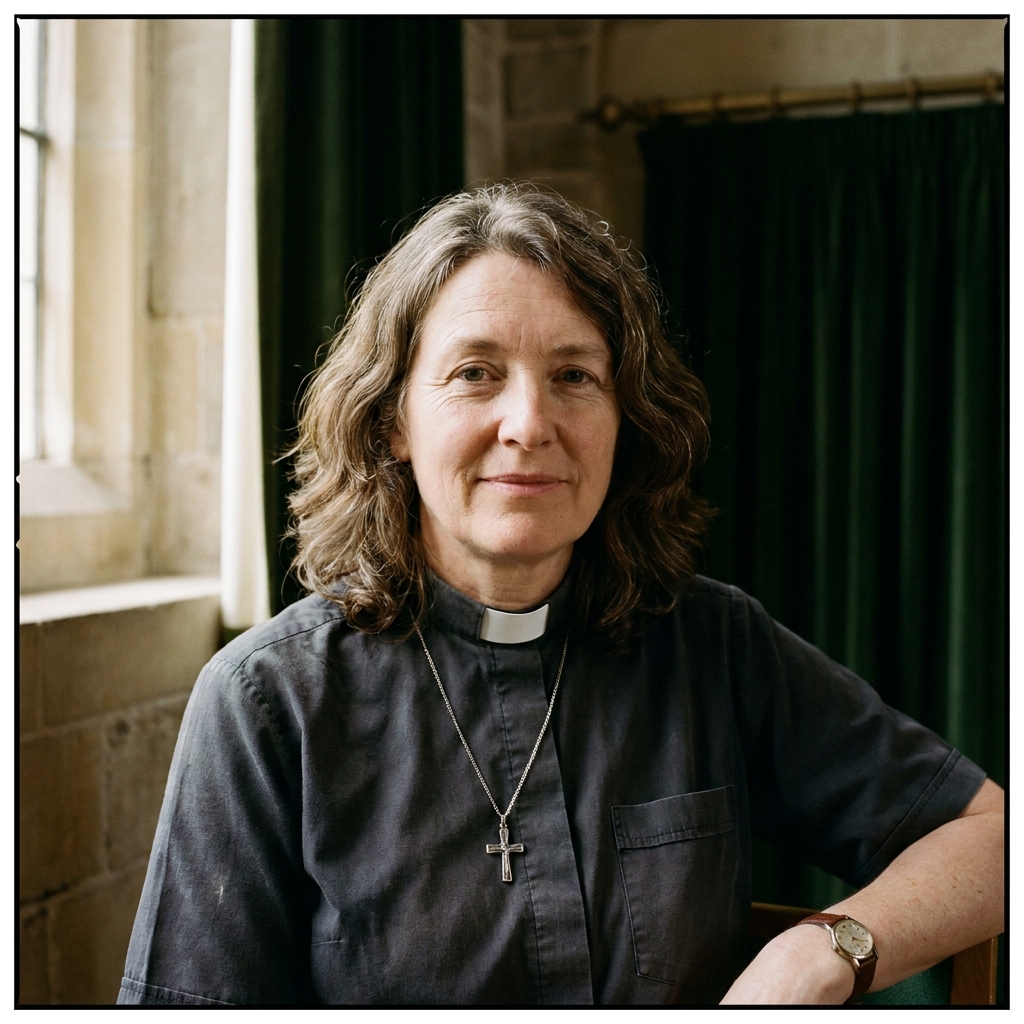
Portrait of Father Damien, fifty-two, in clerical dress.
Hospital chaplain · Pershore Hospitality Fellowship · 2024
A chaplain runs out. A four-night bursary refilled me for a year.

I have been the lead chaplain at a 600-bed teaching hospital in the Midlands for eleven years. The work is what it is. By the autumn of 2024 I had not had a full week off in three years because of post-pandemic staffing. My spiritual director, a Cistercian, told me about the Pershore Fellowship and put me forward.

I had four nights at Sarum College in the November half term. The bursary covered every penny. I slept eleven hours the first night. I read a novel — a novel — for the first time in two years. On the third afternoon Dom Aelred found me crying quietly in the cloister and brought me a cup of tea and sat for forty minutes and said almost nothing. That is what they do. That is the trick.


Portrait of Aida, thirty-nine, a refugee resettlement officer.
Foodbank coordinator · Cloister & Common Bread recipient · 2022, 2024
It is the only grant we apply for where the form fits on one side of A4.

We run a small foodbank network in north Worcestershire, serving roughly 900 households a month. I write fundraising applications for a living and the Trust's grant form is by some distance the gentlest I have ever filled in. Two pages. Asks for what you would tell a kind aunt over tea. No outcomes framework, no impact matrix, no demand for a logo on a leaflet.

In 2022 they gave us £3,600 to replace a walk-in fridge that had finally given out. In 2024 they gave us £2,800 unrestricted — which is rarer than rubies for charities our size — and we spent it, plainly, on bread and milk. Mr. Rushmore, the bursar, telephoned both times to say the trustees had approved. He apologised for the cheque being in the post.


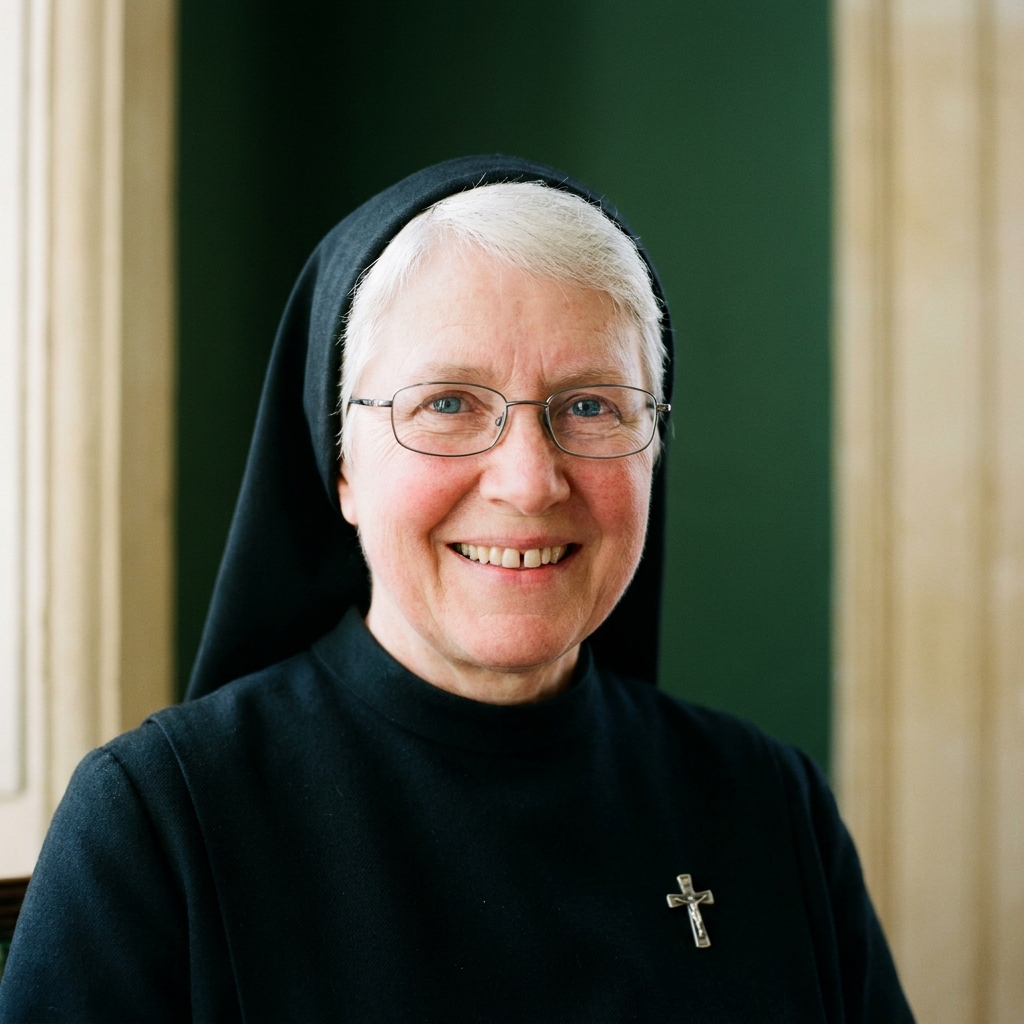
Portrait of Br. Crispin, hospitality master.
From within the Community · Hospitality Master · since 2017
A guest is Christ, the Rule says. It does not say a guest is a project.

I came to the community in 2009 — late, at thirty-eight, after a decade as a graphic designer in Bristol — and I have run the guest wing since 2017. We are small. We have eleven beds, including the two singles in the loft that get cold in February. In a good year we host five hundred and eighty guest-nights. We turn away another two hundred.

The trick of hospitality, which I learned slowly, is to do less. Light the lamps. Empty the bins. Put a fresh apple on the bedside table. Be quiet when someone is grieving and be present when someone is laughing and never, ever ask anyone why they have come. The Rule of Benedict is a thousand five hundred years old. It is older than everything we own. It still works.


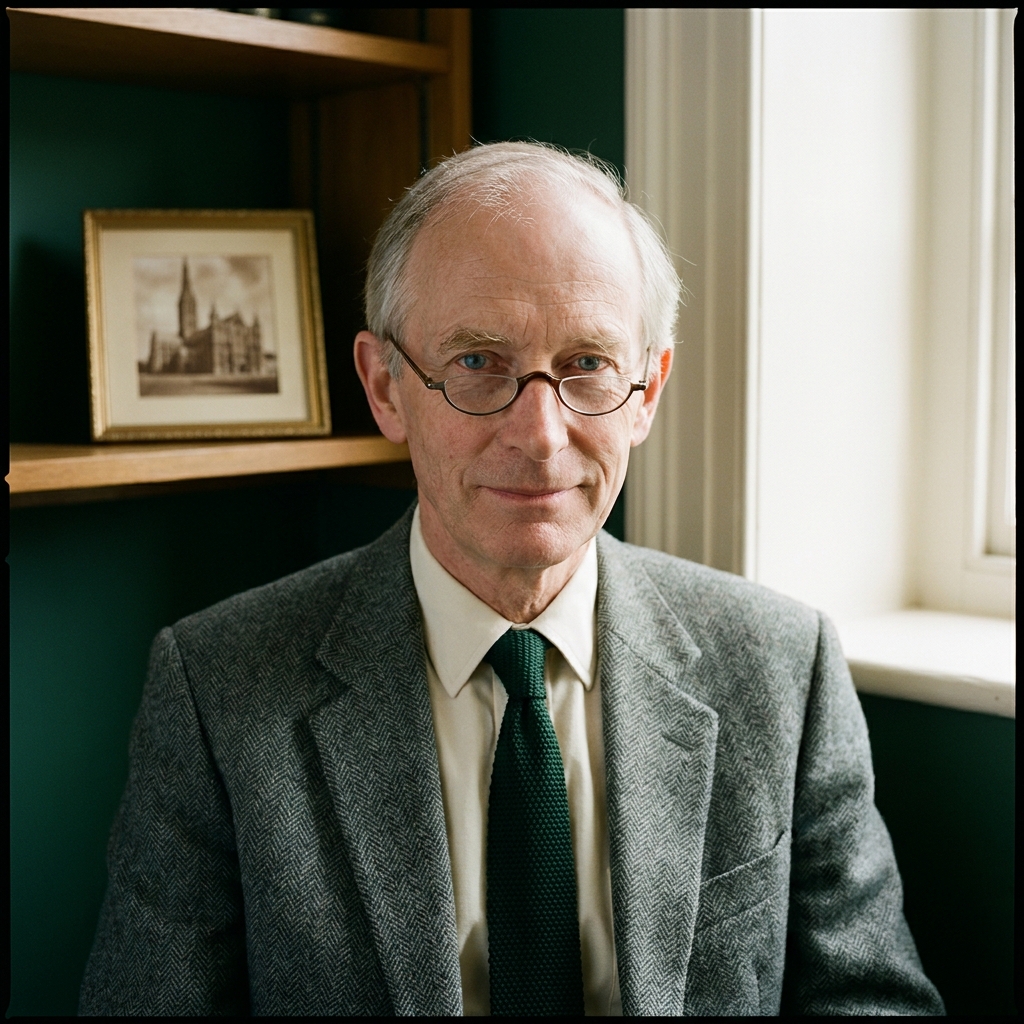
Portrait of Helen Awdry, trust chair.
From the Board · Trust Chair · since 2021
A small charity with no overheads and a long memory. That is the brief.

I retired from twenty-eight years at the Bar in 2019 and the Bishop of Salisbury wrote me a kind letter shortly after asking whether I would consider trusteeship. I had been an oblate of the community since 2012 — long before this work — so the answer was easy.

The Trust has five trustees, no paid staff, and runs from a rented office at Sarum College that costs us £4,200 a year. Our administrative overhead in 2024 was 3.8%. We meet three times a year, in Salisbury, with the Prior. We argue about the small things, the way Benedictines have argued in chapters since the sixth century, and we usually agree by lunch.

The Trust is small and the work is small and the work is enough.


Portrait of Joseph, an older Sunday Doors recipient.
Sunday Doors · since 2021 · Speen, Berkshire
I have been the one who visits. It is strange to be the one who is visited.

I am a retired priest. I served two parishes in Berkshire for the whole of my working life — thirty-eight years — and for most of those I visited the housebound. After my wife Madeleine died in 2020 I became, very quickly, one of them. My daughter telephones from Auckland and my legs do not carry me to church any more.

Sunday Doors paired me with Iain, who is forty-one and a postman and reads three novels a month. He comes on Friday mornings before his round. We drink coffee and we talk about Trollope. He has read everything. I should like to say I have not, but I have. It is a great kindness for a priest to be made the welcomed one. It teaches what one had always tried to teach.


Portrait of an Anselm Bursary chorister, twenty-two.
Anselm Bursary for Sacred Music · 2025–2026 · Durham
I had not heard Compline sung properly until I came to Salisbury.

I sang treble at a parish in County Durham and I had read about Dom Anselm Hughes in a chapter of The English Hymnal. The Anselm Bursary brought me to Sarum College for a full academic year and now I sit, four nights a week, in a side chapel with seven brothers and we sing Compline the way it was sung at Nashdom in 1948. Most of the music we use is in Hughes' own handwriting, on photocopies of photocopies. The line goes back; it really goes back.

I will return to Durham next September and start a master's in choral conducting. The bursary did not just pay my fees; it paid for me to learn what I am hoping to teach.

If you have a story to tell

We would be glad to hear it.

We are gathering testimony for the 2027 annual report. If a programme has touched you, write to [email protected] — by Lammas, please (1 August 2026).