One small community, four homes, one hundred and eleven years.
We are not a famous charity. We are a Trust that has, very quietly, kept a Benedictine candle burning in England since the spring of 1914 — through two world wars, a near-collapse, a moving van, and four addresses.
In February 1913 the Anglican Benedictine community on Caldey Island, off the coast of Pembrokeshire, was received almost in its entirety into the Roman Catholic Church. Of the thirty-three men who had kept the Daily Office under the Rule of Saint Benedict the previous Christmas, only one — Brother Anselm Mardon — remained an Anglican. He travelled north, alone, to a borrowed house in the shadow of Pershore Abbey in Worcestershire, and on a damp evening in May 1914 began to keep Vespers again. There was no congregation. There was, by some accounts, only a single beeswax candle.
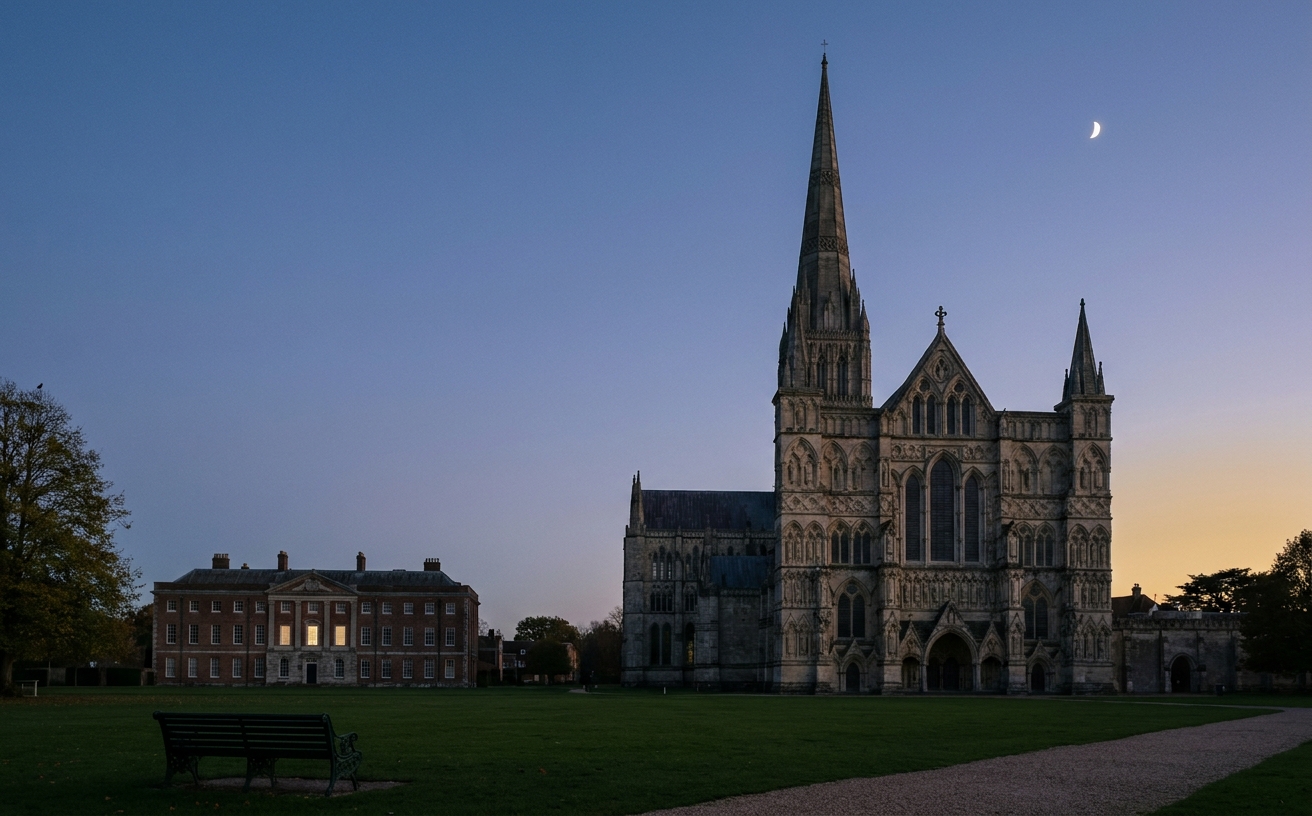
That is where we begin. The community now numbers seven men, plus two postulants, and lives in four rooms within Sarum College on the Salisbury Cathedral Close. The Trust that holds its property and administers its modest income is named after the three abbeys the community has called home: Pershore from 1914 to 1926, Nashdom in Buckinghamshire from 1926 to 1987, and Elmore near Newbury from 1987 until 2010. We took the third name because Elmore was the last home in which the community had its own walls; we kept all three because none of them was the whole of us.
The legal Trust was formally incorporated as a Memorandum and Articles of Association on the 13th of November 1937, in a Bloomsbury solicitor's office, at the bidding of Abbot Denys Prideaux. He had been the first abbot, elected in 1922, and he wanted to be sure that whatever befell the community after his death — he died, in fact, the following year — its books, its silver, and its small bank balance would be held under the same Rule that ordered its days. We have been holding them under that Rule since.
Three short amendments were entered into the Articles in March 1950, in March 1989, and in May 1989. The third of these was, in the careful words of the minutes, "drafted by the solicitor in such a way as to anticipate the eventual relinquishing of large premises." It was an admission that we knew Elmore could not be kept. We were right: in 2010 we left it and came to Salisbury. The Trust holds three things now, and three things only: a small investment portfolio, the right to receive certain dignified legacies, and a duty to keep the small fire of Benedictine life burning in the Church of England.
We have learned to call this scale a gift, not a failure. — The Prior, in the introduction to the 2024 Annual Report
An honest line
It would be dishonest to call us a thriving order. In May 1914 the community had one professed brother. In 1965 it had forty. We have, today, seven. We are not the abbeys of Saint Hilda or of Saint Gregory in Three Rivers, Michigan, our American daughter-house that became larger than we did and which now, in its turn, faces its own narrowing. We are smaller still than we were in 2010 when we left Elmore.
The Trust's work is necessarily modest — a £290,000 stewardship in 2024, not a £29-million campaign. We pay no salaries to the brothers, who live on small Church of England pensions and the gifts of friends; the Trust's expenditure is almost wholly turned outward, into the work of religious learning, hospitality, and the relief of poverty. We have learned to call this scale a gift, not a failure. The Holy Rule prefers the small, the slow, and the local. It does not prefer the empire.
A short timeline of the community.
Caldey Island.
The Anglican Benedictine community at Caldey, under Abbot Aelred Carlyle, is received into the Roman Catholic Church. Of thirty-three monks, only Br. Anselm Mardon remains an Anglican.
Pershore Abbey, Worcestershire.
Br. Anselm, joined by two oblates and Denys Prideaux as warden, begins keeping the Daily Office in a borrowed house beside Pershore Abbey. The community is, in 1915, briefly reduced again to nothing when Mardon converts; Prideaux remains.
Abbot Denys Prideaux.
Prideaux is professed and elected the first Abbot. The community now numbers six.
Nashdom Abbey, Burnham, Buckinghamshire.
The community purchases Nashdom — a Lutyens-designed country house — for £8,000, and moves in. Anselm Hughes is appointed director of music. The Trust acquires its first significant property holdings.
The Trust is incorporated.
Memorandum and Articles signed in a Bloomsbury solicitor's office; the charity is registered later under № 220012 of the Charity Commission for England and Wales.
A daughter house.
The Trust supports the founding of St Gregory's House in Valparaiso, Indiana, in 1935, which moves to Three Rivers, Michigan, in 1946 and becomes an independent abbey in 1969.
Dom Gregory Dix.
The community's most influential theologian, Dom Gregory Dix, is appointed Prior of Nashdom in 1948. He dies in 1952 and is buried in the abbey cemetery. The Shape of the Liturgy, published in 1945, remains his great gift to the Church.
Elmore Abbey, Speen, Berkshire.
Numbers having shrunk, the community sells Nashdom and moves into a more modest house at Speen, near Newbury. A new abbey church is consecrated in 1995.
Justin Welby becomes an oblate.
Then a parish priest in Coventry diocese, the future Archbishop of Canterbury makes his oblation under the Rule at Elmore. He has spoken often, since, of what he learned in our guest house.
Sarum College, Salisbury Cathedral Close.
The four remaining brothers leave Elmore and move into the Principal's House at Sarum College, within the Salisbury Cathedral Close. Planning permission for a small oratory is granted in June 2011.
The Cloister & Common Bread fund opens.
The Trust opens a small-grants window to foodbanks, hospices, refuges and homelessness charities in the four counties of our pilgrim history. 29 grants are made in the first year.
The Pershore Hospitality Fellowship is endowed.
A legacy of £820,000 from the estate of a long-time oblate, Dr. Eileen Crowe, allows the Trust to formally endow what had been an ad hoc bursary stream — covering the full cost of retreats for those who would otherwise be priced out.
The eleventh decade.
Seven brothers, two postulants, twenty-eight oblates, five trustees, one ordinary day after another. £289,819 stewarded in the year ending 30 September 2024.
The brothers in residence and the trustees they answer to.
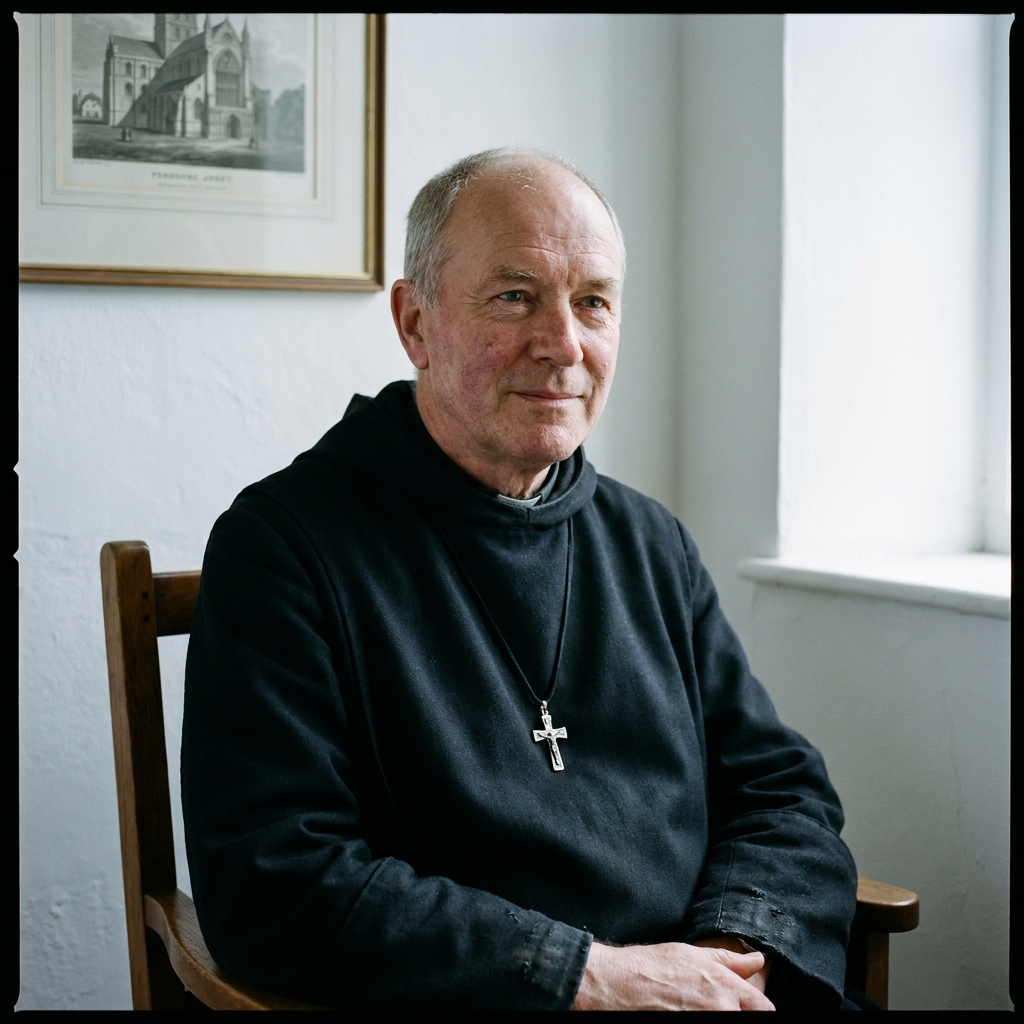
The community elects its own Prior under the Rule. The Trust is governed by five trustees — the Prior ex officio, and four lay members elected for five-year terms by the body of oblates and major donors.
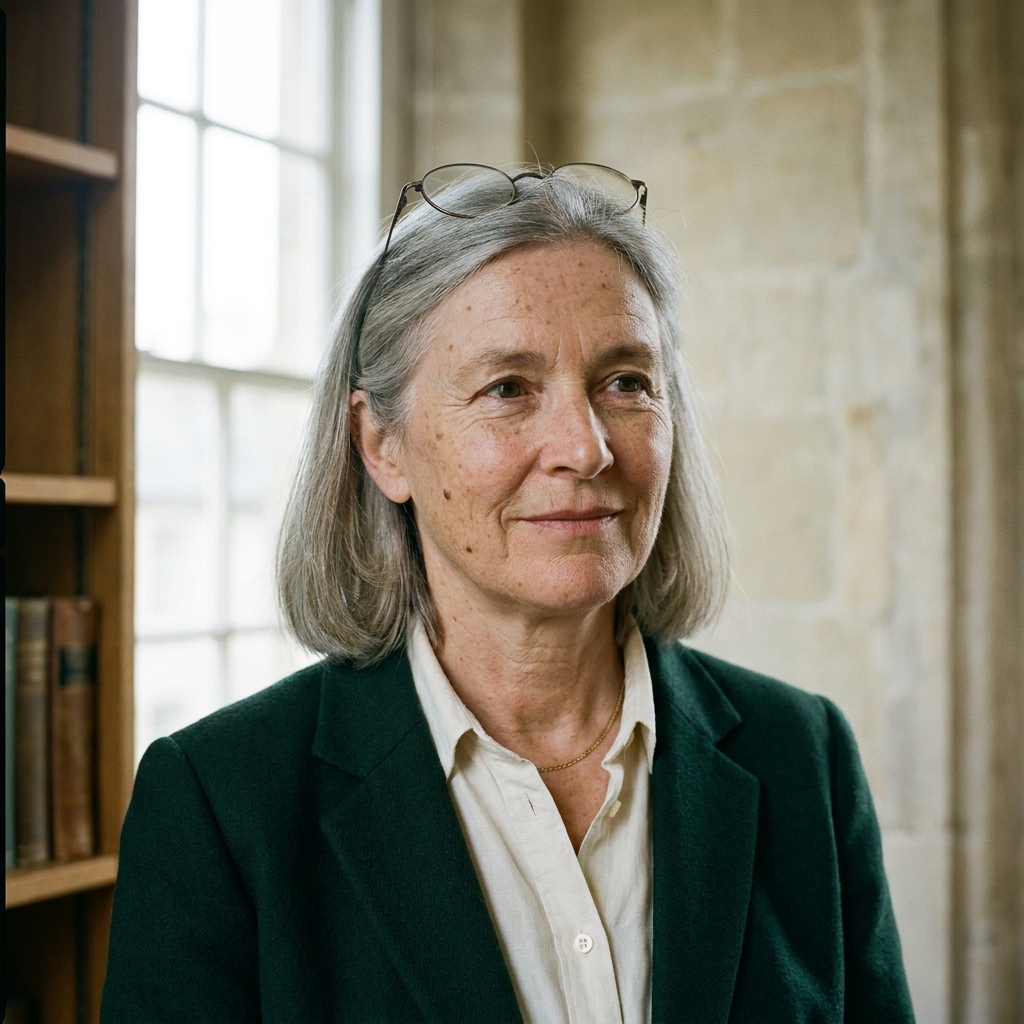
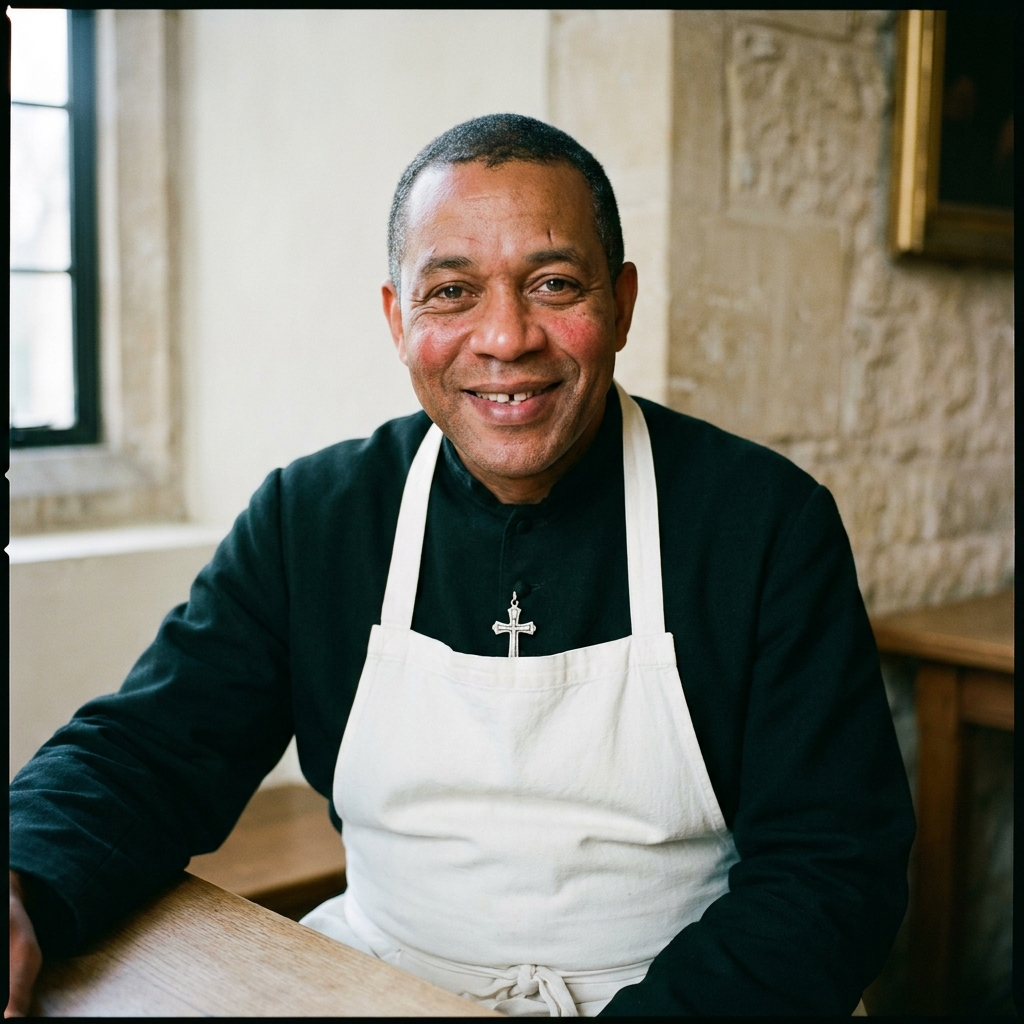
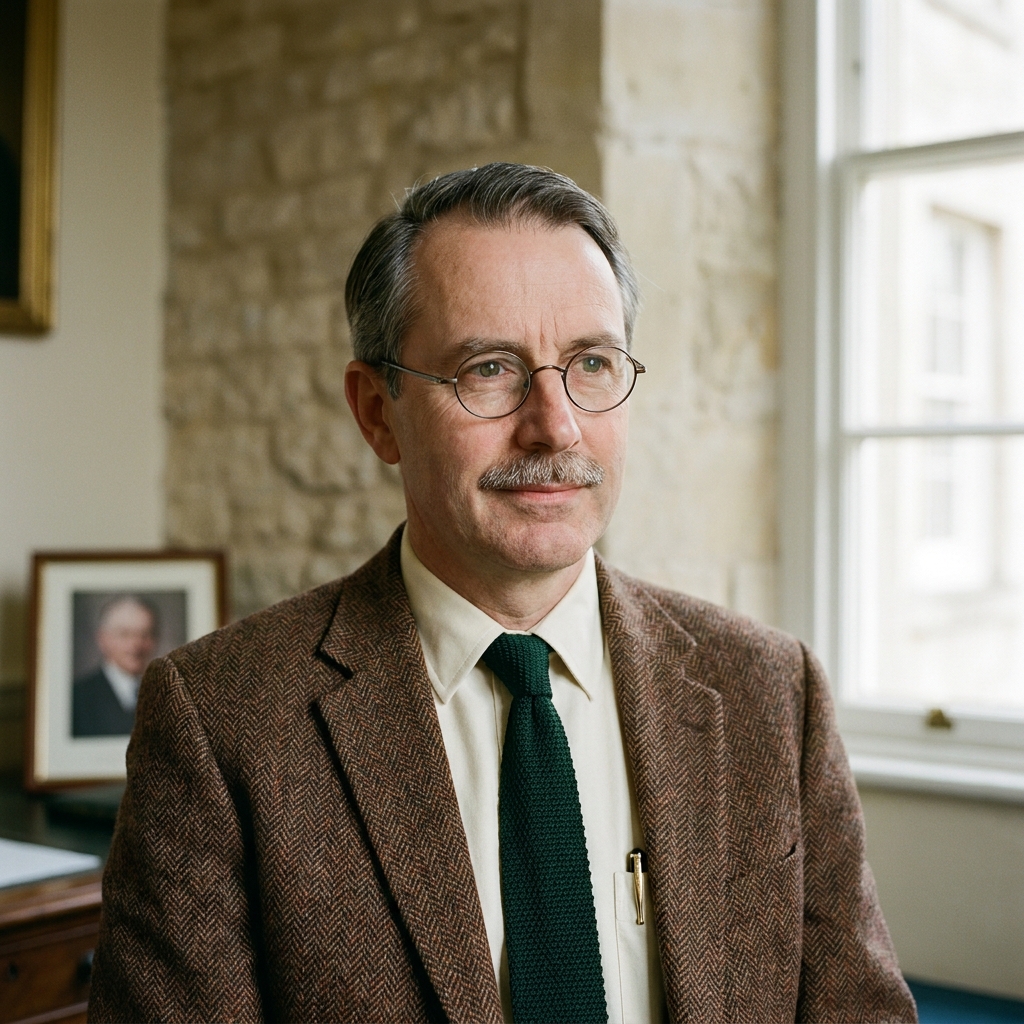
A fifth trustee — Mrs Penelope Wace, Bishop's Adviser for Religious Communities in the Diocese of Salisbury — was elected in May 2023 for a five-year term. The full board meets four times a year, on quarterly Saturdays.
We do not measure ourselves by growth. The yew tree behind the cloister has been here since the eighth century. It does not get larger. It also does not stop. — Dom Aelred Pickering, OSB · 2024 Annual Report